

A gas furnace is a complex machine, but the sequence of how it starts is actually quite simple. When the thermostat calls for heat, a small electrical component must get glowing hot to ignite the gas. That component is the Hot Surface Ignitor.
Because this tiny part is subjected to extreme temperature fluctuations hundreds of times a day, it is essentially a "wear-and-tear" item. A broken ignitor is the number one reason homeowners call HVAC Bee for furnace repair in the winter.
What is a Hot Surface Ignitor?
In older furnaces, the gas was lit by a continuous "standing pilot light" (a small flame that burned 24/7). Modern high-efficiency furnaces use electronic hot surface ignitors instead to save gas.
The ignitor is made of a brittle, specialized material called Silicon Carbide. When the furnace receives the signal to turn on, electricity surges through the ignitor, causing it to glow a bright, searing white-hot orange (often reaching upwards of 2,500°F). Once it is glowing, the gas valve opens, the gas hits the ignitor, and the burners light up.
Signs of a Bad Ignitor
If your ignitor fails, your furnace will not produce heat. The safety sensors inside the unit will realize there is no ignition and shut the gas valve down immediately to prevent a dangerous gas leak.
Blowing Cold Air
If the blower motor turns on and pushes air out of your vents, but that air is completely cold, it means the ignition sequence failed.
Clicking But No "Whoosh"
Stand next to your furnace when it tries to start. You will hear a click (the gas valve opening), but you will NOT hear the low "whoosh" sound of the burners lighting.
Visual Cracks
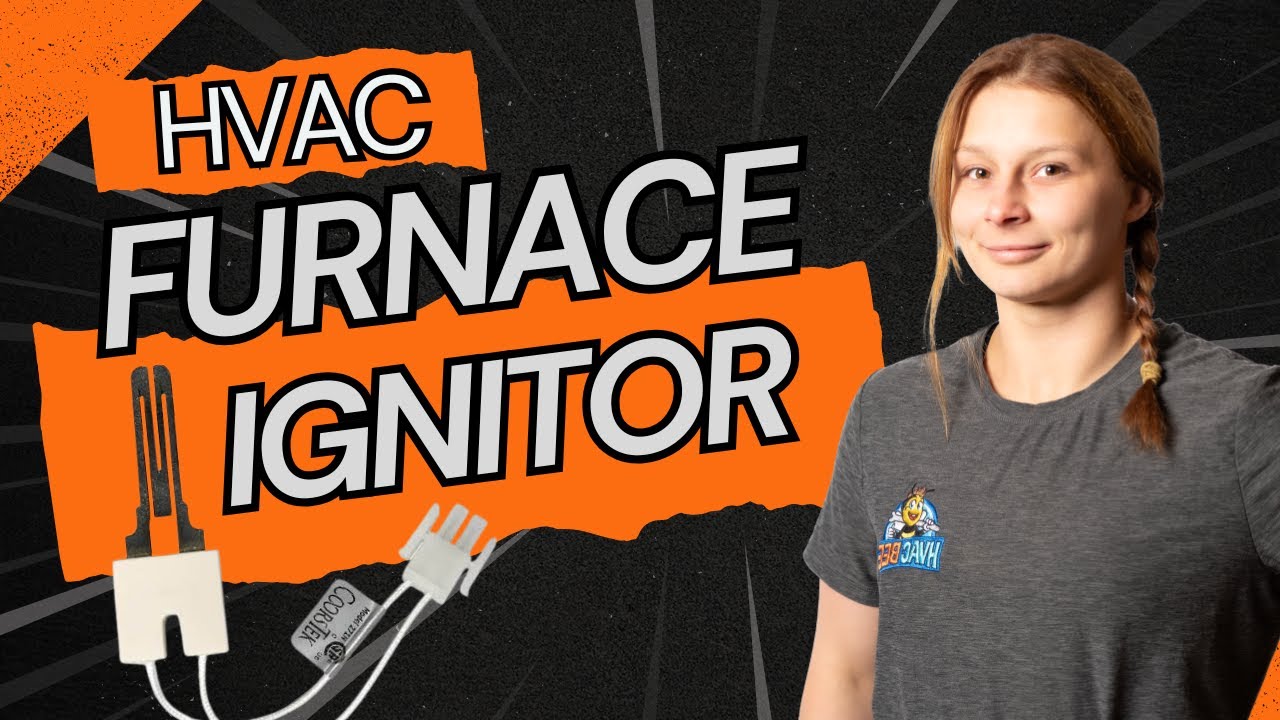
If you take the front panel off the furnace, you can visually inspect the dark gray "V" or "W" shaped element. A bad ignitor will often have a visible hairline crack or a white/powdery spot on it.
No Glow
During startup, the ignitor should glow bright orange for several seconds. If it stays dark gray, it is either broken or not receiving power from the control board.
How to Replace It
If you are mechanically inclined and have identified a cracked ignitor, replacing it is a straightforward process. However, you must take extreme care not to break the new one.
⚠️ CRITICAL WARNING: Never, ever touch the dark gray element of a new ignitor with your bare skin. The natural oils from your fingers will transfer to the element. When the ignitor heats up to 2,500 degrees, those oils will create a "hot spot," causing the brand-new ignitor to crack and fail almost instantly.
- Turn Off Power & Gas: Shut off the electrical breaker to the furnace and turn the gas valve to the "off" position. Safety is paramount.
- Locate the Ignitor: Remove the front panel. The ignitor is mounted near the burner tubes.
- Disconnect the Plug: Unclip the wiring harness connecting the old ignitor to the furnace.
- Remove the Screws: Use a ¼-inch nut driver to remove the single screw holding the ignitor bracket in place. Carefully slide the broken unit out.
- Install the New Ignitor: Holding the new ignitor only by the ceramic base or wires, slide it carefully back into the bracket slot. Do not let the delicate gray element bang against the metal burner tubes.
- Secure and Reconnect: Tighten the mounting screw and clip the wire harness back together. Turn the gas and power back on, and test the system.
If you replace the ignitor but the system still won't light—or if the furnace is making a loud banging noise (delayed ignition)—turn the system off immediately. You likely have a bad gas valve, a clogged burner, or a failing control board that requires a professional diagnostic.
