

You wake up on a freezing Georgia morning, turn up the thermostat, and nothing happens. No click, no fan, no heat. You check the thermostat screen, and it's completely blank. While there are a few reasons a heating system might die completely, one of the most common—and frustrating—culprits is a blown furnace transformer.
What Does a Furnace Transformer Do?
Before you can understand why it broke, you have to understand what it does. Your home's electrical panel sends high voltage (typically 120 volts) to your furnace to power heavy components like the blower motor. However, your thermostat and the furnace's internal control board run on a much smaller, safer voltage—usually 24 volts.
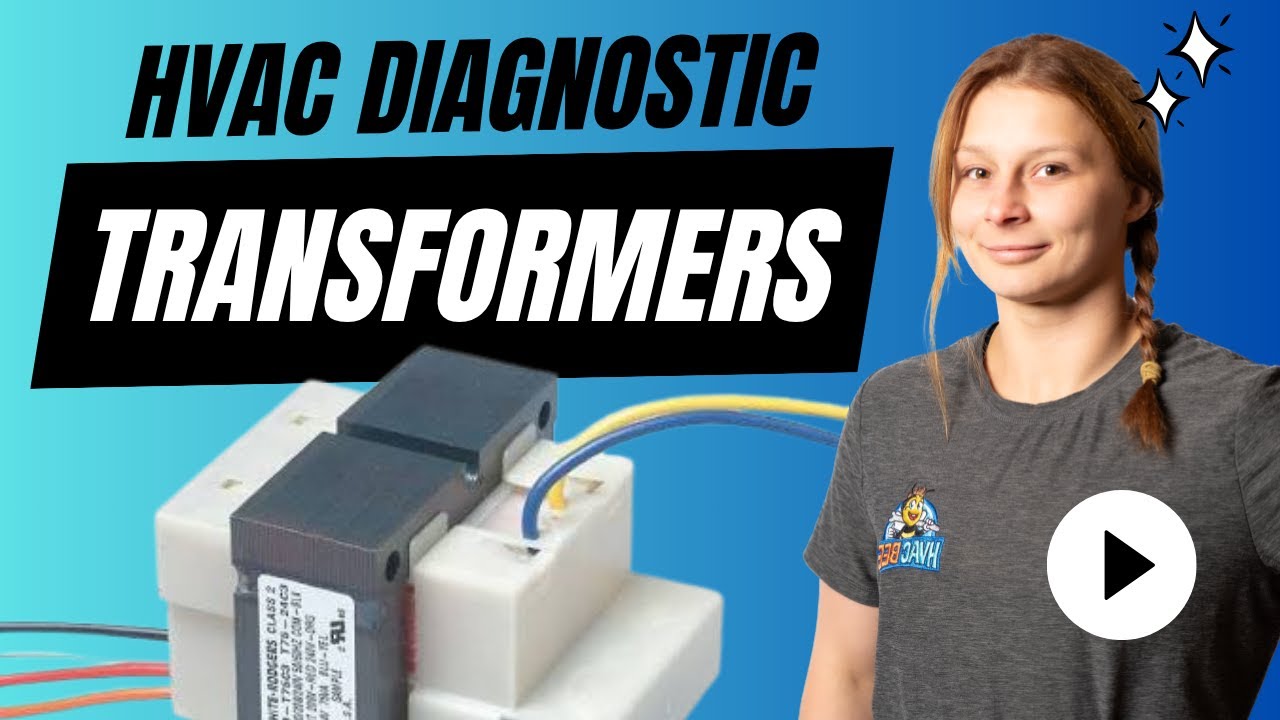
The furnace transformer is the bridge between these two. It literally "steps down" the 120 volts of incoming power to the 24 volts needed to communicate with your thermostat and command the gas valves, relays, and sensors. If the transformer fails, the brain of your furnace loses power entirely.
Signs of a Bad Transformer
How can you tell if the transformer is the issue? Here are the most obvious symptoms of a blown or failing furnace transformer:
A Blank Thermostat
Because the thermostat gets its 24-volt power directly from the furnace transformer, a blown transformer will result in a dead, blank thermostat screen (unless it runs purely on batteries).
Zero Response
When you toggle the fan from "Auto" to "On" at the thermostat, absolutely nothing happens. The furnace will not make a sound, click, or attempt to ignite.
Tripped Circuit Breakers
A failing transformer often draws excessive current right before it dies, which can cause the dedicated furnace breaker in your home's main electrical panel to trip repeatedly.
Humming or Burnt Smells
If the transformer is failing but not entirely dead, it may emit a loud, vibrating hum from the furnace cabinet. In some cases, a shorted transformer will produce a distinct electrical burning smell.
Why Do Furnace Transformers Blow?
Transformers are robust little devices, and they rarely fail for no reason. If your transformer has blown, it is almost always a symptom of a larger electrical issue in the HVAC system.
- Power Surges: A lightning strike or severe power grid fluctuation can send a spike of high voltage straight through the furnace, instantly frying the transformer windings.
- Short Circuits (The Most Common Cause): If the low-voltage wires running from your furnace to the thermostat—or to the outdoor AC unit—get chewed by mice, hit with a weed whacker, or rub against a sharp piece of metal, they will short out. This short sends a surge of current backward, blowing the 3-amp fuse on the control board or instantly blowing the transformer.
- Old Age & Wear: Over years of constant heating and cooling cycles, the internal copper windings of the transformer can simply break down, causing it to hum loudly and eventually fail.
- Failed Contactors: A failing contactor in your outdoor AC unit can draw excessive voltage through the thermostat wires, slowly burning out the indoor furnace transformer over the course of a few days.
Can I Replace it Myself? We highly advise against it. Replacing a transformer means working with live 120-volt wiring, which presents a lethal shock hazard. More importantly, if you replace a blown transformer without finding the short circuit that caused it, your brand-new transformer will blow the second you turn the power back on.
